
Quick Summary
The BMW 3 Series delivers respectable reliability when owners keep up with maintenance, though it costs more to run than most non-luxury sedans. Newer generations have improved considerably over earlier cars known for specific component failures. The drivetrain and electrical systems still deserve close attention. Service history matters, especially on a used car. Is the BMW 3 Series reliable enough for daily driving? Yes. A well-maintained BMW 3 Series with a proper pre-purchase inspection can make a rewarding long-term vehicle.
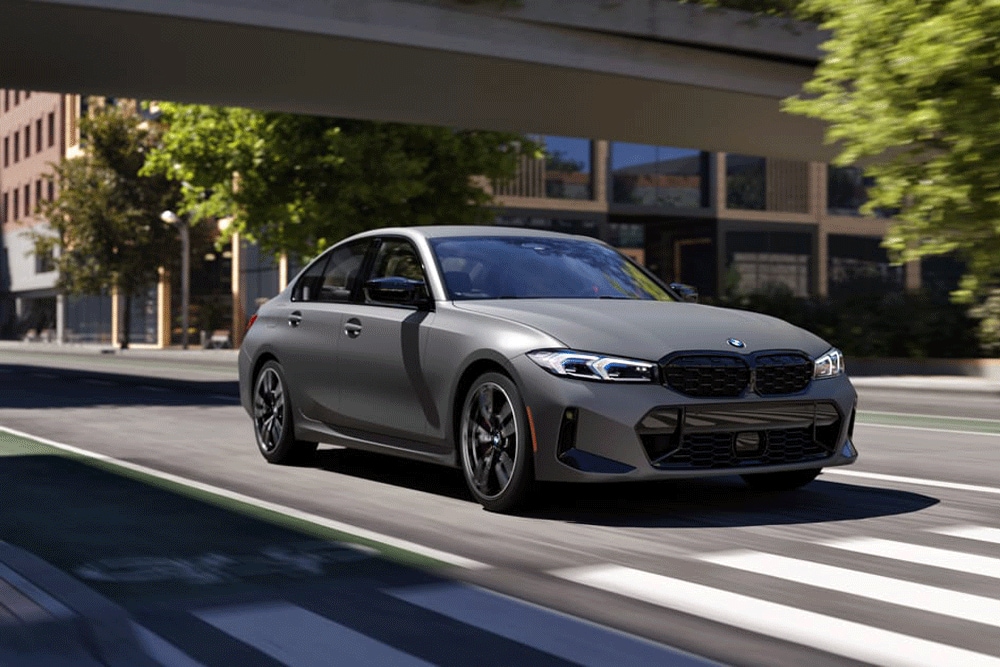
The BMW 3 Series built its reputation on sharp handling, strong engines, and a premium cabin. Long-term dependability is another matter. BMW packs plenty of technology and mechanical complexity into these sedans, and that creates more places for age and neglected maintenance to show.
So, is the BMW 3 Series reliable across different model years and engine choices? The answer becomes clearer once you separate newer cars from older ones. A look at the BMW X1 engine also shows some of the same engineering thinking BMW applies to its compact SUV.
At BMW Cleveland, we carry a broad new BMW inventory for drivers looking for different levels of performance, equipment, and everyday practicality.
BMW 3 Series Reliability Across Recent Generations
The sixth-generation F30, sold from 2012 through 2019, has a mixed reliability record. Early cars fitted with the N20 engine developed a reputation for timing chain trouble. That problem alone makes service records especially important when shopping for an older F30.
The seventh-generation G20, introduced in 2019, is a stronger proposition. BMW addressed several weak points found in earlier models, and the B58 six-cylinder engine has proved particularly robust. Build quality also improved, while reports of major mechanical problems became less common.
In short, age matters. A newer 3 Series is generally a safer reliability bet than an early F30 with an uncertain history.
Engine Reliability Across the Modern BMW 3 Series
BMW's B48 four-cylinder and B58 six-cylinder engines are among its strongest modern powerplants. Both use closed-deck designs with stronger internal components built to cope with turbocharger boost pressures.
BMW also improved the timing chain guides. The newer materials resist premature wear better than those used in older N-series engines. Oil pump drive assemblies have likewise suffered fewer failures than their predecessors.
The B58 deserves particular mention. It combines strong performance with the kind of durability that was not always associated with older turbocharged BMW engines. For buyers who want power without automatically accepting a fragile drivetrain, it is one of the more convincing choices in the range.
What BMW 3 Series Maintenance Usually Costs
Owning a 3 Series costs more than maintaining a typical mainstream sedan. Annual upkeep generally falls between $800 and $1,500, depending on mileage, driving habits, and the work the car needs that year.
Brake pads can cost around $400 per axle. Oil changes also cost more than those on many non-luxury cars because BMW specifies synthetic fluids.
Some repairs climb quickly. A valve cover gasket replacement, for example, can pass $1,000 at dealership rates.
That is why preventive maintenance matters. Spending money before a component fails completely may feel inconvenient, but it is usually easier on the wallet than dealing with secondary damage later.
How Mileage Changes BMW 3 Series Reliability
A lower odometer reading usually brings fewer problems. BMW 3 Series models below 40,000 miles tend to record the fewest mechanical complaints.
Things become more interesting between 60,000 and 80,000 miles. This is where coolant leaks and gasket failures become more common. By the time a car passes 100,000 miles, suspension bushings and drivetrain mounts may also show significant wear.
The engine itself can remain healthy at high mileage when the owner has changed the oil regularly. Timing chain inspection at around 70,000 miles is also sensible.
Mileage tells only half the story, though. A carefully maintained 90,000-mile car may be a much better purchase than a neglected 55,000-mile example.
How Regular Service Improves Long-Term BMW Reliability
BMW's condition-based service system tracks maintenance needs, but owners should still pay close attention to the basics. Fluids, filters, cooling components, and warning lights should never become afterthoughts.
Using genuine BMW fluids and filters can reduce premature wear. Oil changes at around 7,500-mile intervals also help protect the turbocharger bearings.
Check engine light on? Deal with it. Waiting can allow one small problem to trigger another.
The cooling system deserves the same treatment. Keeping pumps, hoses, thermostats, and related components in good condition helps protect the cylinder head gasket and the rest of the engine.
Is the BMW 3 Series Worth Buying
Yes, if you buy the right one.
The 3 Series still offers an appealing mix of performance and practicality. Recent models have enough reliability for everyday use, particularly when the previous owner followed the maintenance schedule.
A thorough inspection before purchase can uncover problems that are easy to miss during a short test drive. Service records matter just as much.
Find a well-maintained example and the 3 Series can deliver years of dependable driving. More importantly for enthusiasts, it does so without giving up the steering feel and performance that made the model popular in the first place.
FAQs
How Do You Fix BMW 3 Series Drivetrain Malfunctions?
Start by reading the fault codes with a proper diagnostic scanner. Inspect the transfer case fluid and check accelerator pedal sensor readings. If the system records a misfire code, test the ignition components and replace any faulty parts.
How Much Does BMW 3 Series Insurance Cost?
Full-coverage insurance averages roughly $1,200 to $1,800 per year. The actual premium varies with the driver's record, location, and the specific 3 Series model year.
Which BMW 3 Series Engine Is Most Reliable?
The B58 inline-six has demonstrated excellent durability across its current applications. It handles high mileage well and has not developed a widespread reputation for major internal failures.
Choose BMW Cleveland for Your Next Sedan
The BMW 3 Series remains one of the more engaging luxury sedans to drive, and choosing the right example starts with knowing its history and condition.
If you are searching for a BMW dealer in Cleveland, BMW Cleveland offers a large selection of vehicles ready for local drivers. Our team can help you compare models, review available features, and arrange a test drive.
You can also browse our certified BMW vehicles if you want the added reassurance that comes with a carefully inspected pre-owned model.
Visit BMW Cleveland and find the 3 Series that fits your driving needs, budget, and expectations for long-term ownership.